
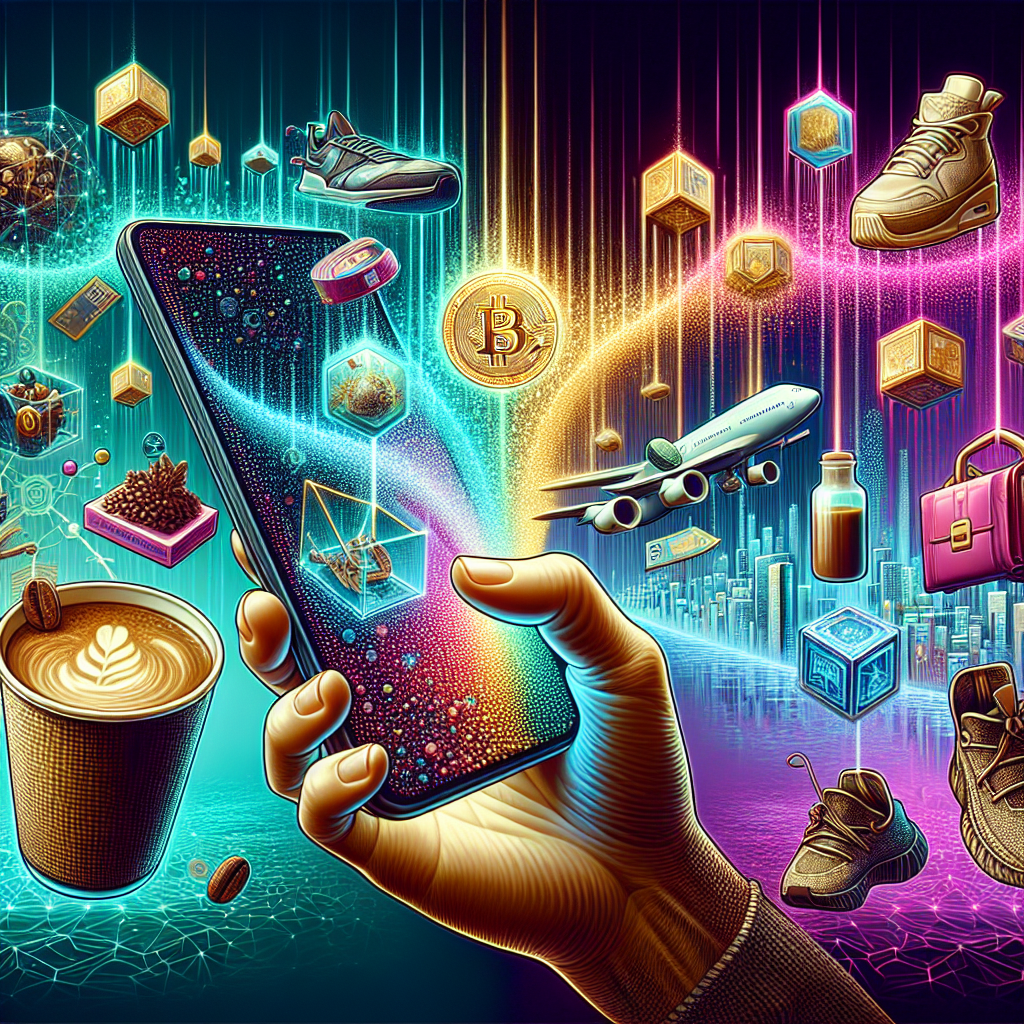
From Pixels to Portfolios: How Blockchain Loyalty NFTs Are Redefining Brand Engagement and Consumer Rewards Right Now
Imagine you walk into a coffee shop, order your usual latte, and—rather than a stamped paper card—you receive a unique digital token on your phone. This isn’t just a coupon or a points update; it’s an NFT, a blockchain-based asset with real-world privileges, tradable perks, and even a secondary market value. Overnight, a routine caffeine fix becomes a ticket to an entire ecosystem of rewards and brand experiences.
That’s not a Silicon Valley fever dream—it’s quietly happening in loyalty programs worldwide. From Starbucks to luxury fashion and global airlines, brands are experimenting with blockchain-based rewards, hoping to turn customers into engaged communities and collectibles into relationship assets. At stake is not just a marketing gimmick, but the future of how businesses foster loyalty, share value, and understand their customers.
But why now? After years of NFT hype—and backlash—why are loyalty NFTs gaining traction when other “Web3” trends are stalling? The answer lies in a convergence of consumer fatigue with old rewards systems, declining trust in data privacy, and a maturing blockchain infrastructure that’s finally ready for prime time. For brands, the promise is irresistible: deeper engagement, new revenue streams, and a global, interoperable approach to loyalty.
For consumers, the shift could mean more control, more fun, and even a shot at actual financial upside. Or it could mean a new wave of privacy headaches, technical confusion, and speculative hype. The stakes have never been higher—or more immediate.
The Big Picture: Why Loyalty Programs Are Ripe for Disruption
Loyalty programs have always been a strange hybrid of economics and psychology. The basic idea—reward repeat customers to keep them coming back—has barely changed since airline miles debuted in the late 1970s. But fast-forward to 2024, and the cracks are obvious:
- Fragmented ecosystems: Most consumers juggle a dozen loyalty apps, each with its own rules and limitations.
- Opaque value: Point systems are often confusing, with shifting redemption rates and blackout periods.
- Limited transferability: Points are typically locked to one brand; you can’t sell, trade, or gift them easily.
- Data privacy and trust: Users are increasingly wary of sharing personal data just for minor perks.
This creates a paradox: companies pour billions into loyalty programs, but consumers are disengaged and skeptical. Enter blockchain and NFTs, promising to flip the script.
What Are Loyalty NFTs—and Why Are Brands Interested?
NFTs (non-fungible tokens) are unique digital assets stored on a blockchain. Unlike cryptocurrencies like Bitcoin or Ethereum, each NFT is individually identifiable and cannot be exchanged one-for-one with another. Think of them as digital collectibles, badges, or tickets—except they’re verifiable, tradable, and programmable.
Loyalty NFTs are simply NFTs used as reward tokens in brand loyalty programs. But their potential goes way beyond digital trinkets:
- Proof of ownership: Consumers truly “own” their rewards, independent of the brand’s database.
- Programmable rewards: NFTs can be encoded with perks, discounts, access rights, or even dynamic updates.
- Tradability: NFTs can be sold, swapped, or gifted on secondary markets, creating new forms of engagement and value.
- Interoperability: NFTs can, in theory, be used across multiple brands and platforms—if standards align.
For brands, this means data-rich engagement, viral marketing loops, and a shot at building communities that feel more like clubs than punch-card programs.
How It Works: Concrete Mechanisms Behind Loyalty NFTs
Let’s break down the nuts and bolts of how blockchain loyalty programs function:
1. NFT Issuance
When a user completes a qualifying action (like making a purchase, attending an event, or reaching a milestone), the brand issues an NFT to their digital wallet. This NFT might represent:
- A collectible badge (e.g., “10th coffee purchased”)
- A tiered membership (e.g., “Gold VIP status for 2024”)
- An access pass (e.g., “Invitation to a members-only event”)
2. Smart Contract Logic
The NFT’s properties and utility are governed by smart contracts—automatic scripts on the blockchain. For instance:
- Unlocking discounts or free items
- Gating access to exclusive content or experiences
- Triggering special offers when traded or combined with other NFTs
3. User Control and Transferability
Because NFTs are blockchain assets, users can:
- Hold them in their own (custodial or non-custodial) wallets
- Trade or sell them on NFT marketplaces (subject to program rules)
- Display them as digital badges in social or branded apps
4. Brand Engagement and Data
Brands can monitor wallet activity (on a pseudonymous basis) to:
- Identify VIP customers and superfans
- Offer targeted upgrades or surprise perks
- Track secondary market activity for insights
Real-World Examples: Who’s Doing What, and How Is It Working?
The loyalty NFT wave is no longer theoretical. Several major brands—and a growing field of Web3-native startups—are running live pilots and rolling out programs at scale.
Starbucks Odyssey: Brewing the Future of Rewards
Starbucks launched its “Odyssey” program in late 2022, blending traditional rewards with “journey stamps”—NFTs earned by completing activities or challenges. These NFTs:
- Unlock exclusive experiences (virtual coffee classes, trips to coffee farms)
- Can be traded among users in a closed marketplace
- Are stored on the Polygon blockchain, but integrated seamlessly into the Starbucks app
Early data: Starbucks reported “thousands” of active participants within months, with some NFTs trading for hundreds of dollars on secondary markets. More importantly, the program has driven higher engagement among younger demographics.
Nike .Swoosh: Sneakers, Status, and Digital Collectibles
Nike’s .Swoosh platform lets users collect NFT-based digital sneakers, which come with perks like early product access or the chance to co-create future designs. While primarily a digital collectible play, Nike has hinted at integrating these NFTs into broader loyalty mechanics—including exclusive drops for top holders.
Web3-Native Startups: Interoperable Loyalty
Projects like Bilt Rewards (for renters) and Loyalty+ are building blockchain-native loyalty systems from the ground up, enabling users to earn, trade, and redeem NFT rewards across multiple partners—something nearly impossible with legacy systems.
Airlines and Hospitality: Early Experiments
Emirates, Lufthansa, and several boutique hotels have piloted NFT-based status passes and perks, with mixed but intriguing results. Lufthansa’s “Uptrip” program, for example, rewards flyers with digital trading cards that unlock lounge access or seat upgrades.
The Upside: Why This Matters for Brands and Consumers
For Brands
- Deeper engagement: NFTs can foster a sense of belonging and exclusivity, turbocharging word-of-mouth.
- New revenue streams: Secondary market royalties or paid “premium” NFT drops provide direct monetization.
- Lower liability: Traditional points are a balance sheet liability; NFTs, especially if tradable, can shift risk and reduce breakage.
- Data and insights: Blockchain data offers granular, real-time insights into user behavior—without invasive data grabs.
For Consumers
- True ownership: No more losing points when switching phones or accounts. NFTs live in your wallet.
- Transferability: Gift, sell, or trade rewards as you wish—potentially even outside the issuing brand’s ecosystem.
- Potential financial upside: Some NFTs accrue value on secondary markets, especially those tied to exclusive perks or limited editions.
- Privacy and control: Users can choose how much data to share, with blockchain transparency but pseudonymity.
Risks, Limitations, and Trade-Offs: Proceed with Eyes Wide Open
For all the buzz, blockchain-based loyalty is no silver bullet. Here’s what both brands and users need to watch out for:
Technical Hurdles
- User experience: Managing wallets and NFTs is still confusing for most people. Seamless onboarding (e.g., via social logins or custodial wallets) is essential.
- Scalability and costs: While blockchains like Polygon and Solana have low fees, spikes in demand can drive up costs or slow down transactions.
- Interoperability: True cross-brand rewards require shared standards and trust—still a work in progress.
Regulatory and Legal Uncertainty
- Securities laws: Some NFT rewards might be construed as securities or unregistered investments, depending on their structure.
- Tax implications: In many countries, selling or trading NFTs may trigger capital gains taxes—potentially a headache for casual users.
- Consumer protection: Lost wallets, hacked accounts, or fraudulent NFT issuances are real risks.
Economic and Brand Risks
- Speculation and volatility: Turning loyalty rewards into tradable assets can invite speculation, price swings, or even “pump and dump” behavior.
- Program abuse: Bots and sophisticated users might game reward systems, especially if secondary-market value is high.
- Brand dilution: If NFTs are too easily traded or lose their exclusivity, the sense of belonging may weaken.
User Risks
- Loss of access: If you lose your wallet keys, you might lose your rewards forever—there’s no customer service line for blockchain mishaps.
- Privacy trade-offs: While blockchain is pseudonymous, linking wallet addresses to real identities can still expose patterns or sensitive data.
Practical Steps: How to Approach Loyalty NFTs Today
Whether you’re a consumer, a brand builder, an investor, or a policymaker, getting smart about loyalty NFTs means asking the right questions and taking concrete steps.
For Consumers
- Start small: Experiment with major, reputable programs (e.g., Starbucks Odyssey) before diving into lesser-known platforms.
- Secure your assets: Use wallets with robust security features, and never share your private keys.
- Understand the value: Don’t assume NFT rewards will have lasting or rising value—treat them primarily as perks, not investments.
- Track tax implications: If you sell or trade NFTs, keep records for future tax reporting.
For Brands and Builders
- Prioritize UX: Abstract away blockchain jargon and make onboarding as easy as possible.
- Focus on utility: Great NFT rewards offer real value—access, experiences, or perks—not just digital badges.
- Monitor compliance: Work with legal experts to avoid regulatory pitfalls, especially around securities and consumer protection.
- Design for interoperability: Where possible, build on open standards and explore partnerships for cross-brand rewards.
For Investors
- Look past the hype: Assess the underlying business model, not just NFT sales volume.
- Evaluate sustainability: Programs with genuine utility and engaged communities are more likely to endure.
- Diversify exposure: Spread risk across several projects or platforms, given the field’s rapid evolution.
For Policymakers
- Clarify guidelines: Provide clear, pragmatic rules around digital loyalty assets and NFTs.
- Protect consumers: Encourage brands to offer robust recovery options and clear disclosures.
- Foster innovation: Support sandboxes and pilot programs to test new models safely.
Looking Ahead: What’s Next for Loyalty NFTs?
The next 12–24 months will be pivotal. If current pilots keep maturing, we may see the first true “network effects” as brands interlink programs, NFTs gain mainstream appeal, and secondary markets flourish. On the other hand, regulatory clampdowns, technical stumbles, or consumer pushback could slow the roll.
A few likely scenarios:
- Mainstream adoption: Major brands (retail, travel, entertainment) will continue to experiment, with at least a handful reaching millions of users.
- Standardization wars: Competing protocols and loyalty networks will jockey for dominance. Cross-chain solutions could emerge as a bridge.
- Greater regulatory clarity: Jurisdictions like the EU and US will likely issue clearer guidance, reducing uncertainty but possibly raising compliance costs.
- Evolving user behavior: As more people get comfortable with digital wallets and NFTs, expectations for rewards and privacy will shift—potentially in unpredictable ways.
In the end, blockchain loyalty NFTs are not just about pixels or portfolios—they’re about forging a new social contract between brands and their communities. The code is still being written, but the stakes are real, and the next chapter is unfolding right now. For anyone invested in the future of engagement, it’s time to tune in—and maybe start collecting.
Leave a Reply