
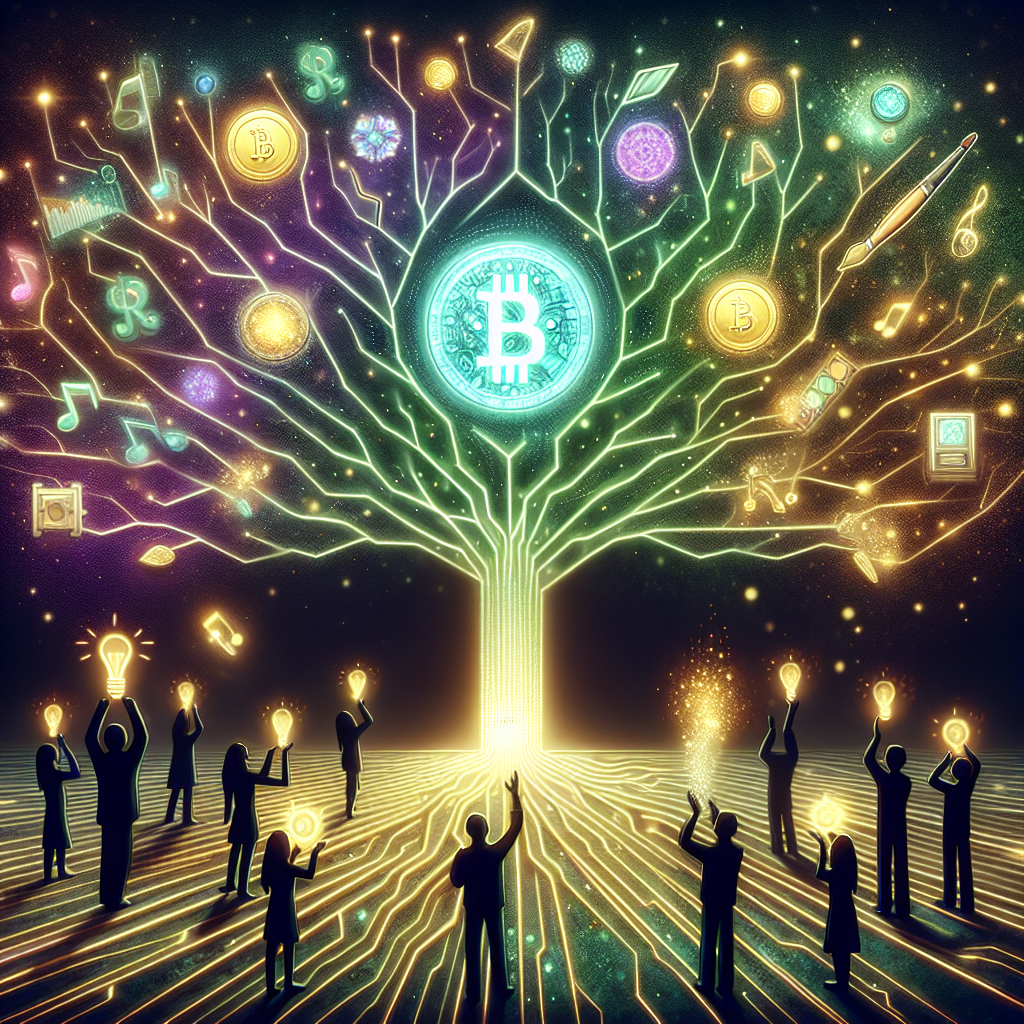
Unlocking On-Chain Royalties: How NFT Embedded Revenue Streams Are Creating Passive Income Opportunities for Artists and Investors Today
Imagine a world where a musician, digital painter, or indie filmmaker not only gets paid when their work first sells, but continues to collect a slice of every future resale—automatically, without chasing down paperwork or trusting a platform to pay up. This is no longer a utopian talking point for blockchain evangelists: it’s quietly becoming a reality, thanks to on-chain royalties embedded in NFTs (non-fungible tokens). And it isn’t just creators who stand to benefit. Investors and collectors are discovering new ways to turn creative works into enduring, revenue-generating assets.
But like so much in crypto, the devil is in the details. While the promise of passive income from NFT royalties is real, the mechanisms are messy, the standards are in flux, and the legal lines are still blurry. Some marketplaces are rewriting the rules in real time, putting billions in future royalties at stake for artists, collectors, and startups alike.
So, what’s actually happening on the ground? Why does this matter now, and not just in theory? And how can creators, traders, and even policymakers navigate this fast-evolving landscape to avoid pitfalls and tap new opportunities? Let’s dig in.
NFT Royalties: The Big Picture
NFTs—unique digital tokens that track ownership of art, music, videos, and more on blockchains like Ethereum and Solana—exploded into mainstream consciousness in 2021. But the underlying promise for artists wasn’t just about high-profile, one-time sales; it was about programmable, tamper-proof royalties built into the very code of each item.
Here’s the core idea: Every time an NFT changes hands, a slice of the transaction (usually 2.5% to 10%) is automatically sent to the original creator or rights-holder. No intermediaries, no paperwork, no chasing down platforms. Just code.
Why does this matter? In the traditional art and music worlds, creators typically get paid once, then watch their work appreciate in value while others profit from resales. With on-chain royalties, the economics flip: every sale, forever, sends a cut back to the source.
The first NFT platforms to popularize this model—like SuperRare and Foundation—quickly became magnets for digital artists. But the last two years have seen both technical and economic debates about how royalties should work, who enforces them, and whether they’re even feasible at scale.
Where Did NFT Royalties Come From?
NFT royalties didn’t appear out of thin air. The concept draws on decades-old artist rights campaigns, but its technical foundation is recent.
- 2017–2019: Early NFT projects like CryptoPunks and CryptoKitties didn’t have embedded royalties, but platforms started experimenting with royalty fields in their smart contracts.
- 2020–2021: Major platforms like OpenSea and Rarible popularized the ERC-721 and ERC-1155 standards on Ethereum, which allow creators to specify a royalty percentage in each token’s metadata.
- 2022–2023: The NFT market’s meteoric rise brought royalties into the spotlight, but also sparked controversy as marketplaces like Blur and OpenSea began allowing buyers and sellers to bypass or reduce these fees—often under pressure from traders seeking lower costs.
Key point: Royalties aren’t enforced by the blockchain itself (yet), but by the marketplaces where NFTs are traded. This gap has led to a tug-of-war between creators, collectors, and platforms, as well as a wave of technical innovation aimed at making royalties truly “on-chain” and unavoidable.
How On-Chain Royalties Actually Work
The Technical Mechanisms
At their simplest, NFT royalties are instructions in a smart contract—a piece of code on the blockchain that says, “If this NFT is resold, send X% to Y address.”
But the devil is in the implementation:
- Metadata Royalties: Most NFTs today use a royalty field in their metadata. Marketplaces read this and (if they choose) enforce the royalty when a sale happens. This is easy to implement, but not enforceable if a marketplace ignores the field.
- On-Chain Enforcement: Newer approaches use custom smart contracts or token standards that automatically route a percentage of every sale to the royalty address, regardless of where the NFT is sold. Examples include EIP-2981 (on Ethereum), Metaplex’s programmable royalties (on Solana), and more experimental “transfer-restricted” contracts.
- Royalty Registries: Some ecosystems now use public registries that map NFT contracts to royalty parameters, making it easier for multiple platforms to enforce the same rules.
For Artists and Rights-Holders
When royalties work as intended, creators set their preferred fee (often 5%–10%). Each time a secondary sale occurs, the smart contract automatically sends that percentage to the creator’s wallet. This income is transparent, traceable, and—at least in theory—unstoppable.
For Collectors and Investors
Investors can also benefit: Some NFTs, especially in music, gaming, or digital land, come with embedded rights to a share of future royalties. Owning these NFTs can be like holding a mini-royalty stream—an asset that pays out over time, not just on resale.
Real-World Examples and Data: NFT Royalties in Action
Let’s look at how this plays out on the ground.
Digital Art and Collectibles
- SuperRare: Artists set a 10% royalty, and every resale on SuperRare enforces it. As of early 2024, SuperRare has paid out over $7 million in secondary sales royalties to artists. This is a meaningful, recurring income stream for top creators.
- OpenSea: Once the dominant marketplace, OpenSea began allowing optional royalties in 2023. While creators set their preferred rate, enforcement depends on the buyer/seller’s choices. This led to a 30–50% drop in royalty payments across many collections, according to Dune Analytics data.
- Yuga Labs (Bored Ape Yacht Club): In late 2023, Yuga Labs announced new technical standards (“ERC-721C”) for its high-profile collections to enforce on-chain royalties, aiming to prevent marketplaces from bypassing creator fees.
Music and Entertainment NFTs
- Sound.xyz: Musicians mint song NFTs, specifying a royalty rate. Collectors who buy these NFTs can receive a share of streaming revenue or resale royalties, depending on the contract.
- Royal.io: Allows fans to own fractions of a song’s royalties. In some cases, holders have collectively earned thousands of dollars from streaming and future sales, turning music NFTs into financial assets.
Gaming and Metaverse
- The Sandbox: Virtual land NFTs come with embedded royalties. When land plots are resold, creators and the platform both get a cut, incentivizing quality content creation and trading.
The takeaway: NFT royalties are already generating millions for artists and thousands for some savvy investors. But the landscape is uneven, and success depends heavily on the platform’s enforcement, the NFT’s contract, and ongoing community buy-in.
Risks, Limitations, and Trade-Offs
NFT royalties are not a silver bullet. Here are the most pressing caveats:
Technical and Enforcement Risks
- Marketplace Bypass: If a marketplace ignores royalties or hosts “over-the-counter” trades, creators may get nothing from resales. This is currently the norm on several major platforms.
- Standard Fragmentation: Competing royalty standards (ERC-2981, ERC-721C, custom contracts) make enforcement inconsistent. NFTs minted with older or simpler contracts are at risk of being left behind.
- Smart Contract Bugs: Poorly written contracts can be exploited, leaving royalties unclaimed or misdirected.
Economic and Regulatory Risks
- Investor Overhype: Some NFT projects tout “passive income” that never materializes, especially in low-liquidity markets.
- Legal Uncertainty: In most jurisdictions, the legal enforceability of on-chain royalties is unsettled. Regulators may view revenue-sharing NFTs as securities, triggering compliance headaches.
- Tax Complexity: Royalties paid in crypto can trigger taxable events for both creators and collectors, with rules varying by country and often lagging behind practice.
User Experience and Adoption Friction
- High Gas Fees: On Ethereum, sending royalty payments can become expensive during network congestion, eating into creators’ income.
- Wallet Management: Artists and investors must manage wallets, private keys, and tax records—an ongoing headache for non-crypto-natives.
Practical Advice: Navigating NFT Royalties Today
Whether you’re a creator, collector, builder, or policymaker, here’s how to play this evolving game smartly:
For Artists and Creators
- Choose Your Platform Wisely: Prioritize marketplaces with strong royalty enforcement and transparent policies. Ask about support for on-chain royalty standards.
- Understand Your Contract: Work with a developer or use reputable minting tools that implement up-to-date royalty standards (e.g., ERC-2981, ERC-721C).
- Diversify Your Revenue: Don’t rely on royalties alone. Consider primary sales, exclusive editions, and leveraging your brand beyond NFTs.
For Investors and Collectors
- Do Your Homework: Check whether the NFT contract enforces royalties on-chain, or if it’s up to the marketplace. Favor projects with robust, transparent enforcement.
- Model Your Returns: Treat “passive income” claims skeptically. Analyze actual sales data and liquidity before assuming ongoing revenue.
- Stay Compliant: Keep careful tax records and consult a crypto-savvy accountant, especially if you receive royalty streams.
For Builders and Marketplaces
- Adopt Open Standards: Support widely used royalty standards and participate in industry efforts to build cross-market enforcement.
- Balance Creator and Trader Interests: Consider flexible royalty options, but communicate clearly and avoid abrupt policy shifts that erode trust.
- Educate Users: Offer clear guides for creators and collectors about how royalties work on your platform.
For Policymakers and Regulators
- Monitor, Don’t Stifle: Observe the NFT royalty landscape and engage with industry groups to inform future rulemaking.
- Clarify Tax Guidance: Provide up-to-date, accessible tax guidance for NFT royalties.
- Protect Consumers: Watch for misleading “passive income” pitches and intervene against outright scams.
The Road Ahead: What’s Next for On-Chain Royalties?
NFT royalties are here to stay, but their future is far from settled. Over the next 12–24 months, expect a few major trends and flashpoints:
- Technical Standardization: The ecosystem will likely coalesce around a handful of robust, interoperable royalty standards, making enforcement easier and more consistent.
- Marketplace Consolidation: Platforms that fail to respect creator royalties may lose talent and credibility, while those that innovate around fair compensation could capture long-term loyalty.
- Regulatory Clarity: Policymakers will begin to clarify the legal and tax status of NFT royalties, especially as they intersect with securities law and intellectual property rights.
- New Business Models: Look for experimentation in fractional royalties, fan-owned revenue shares, and dynamic royalty rates tied to market activity or creator milestones.
For artists, the promise is tantalizing: a world where creative work earns ongoing revenue, not just a one-time windfall. For investors and collectors, NFT royalties unlock new kinds of digital assets—part art, part annuity. But for everyone, the next chapter will demand technical vigilance, legal awareness, and a willingness to adapt as the rules of digital ownership are rewritten in real time.
One thing is clear: On-chain royalties aren’t just a technical tweak. They’re a fundamental shift in how value flows in the digital economy—a shift with profound implications for creators, investors, and the very fabric of the internet itself.
What to Do Next
- Complete KYC and security setup before funding.
- Use a test transaction first.
- Set risk limits and automate alerts.
Recommended Next Reads
- NFT smart contracts explained:
nft-smart-contracts - Guide to passive income with crypto:
passive-income-crypto - How to choose the best NFT marketplace:
best-nft-marketplace
Sources and Further Reading
- OpenSea: Understanding NFT Royalties
- Ethereum.org: Introduction to NFTs
- CoinDesk: The State of NFT Royalties
FAQ
What are on-chain royalties in NFTs?
On-chain royalties are automated payments embedded within NFT smart contracts that ensure creators receive a percentage of every secondary sale of their digital assets, providing ongoing passive income.
How do NFT embedded revenue streams benefit artists and investors?
Artists gain recurring revenue from resales, while investors can earn passive income by holding NFTs with royalty mechanisms, making digital assets more attractive for long-term value creation.
Are NFT royalties guaranteed across all marketplaces?
No, NFT royalties depend on marketplace support and smart contract standards. Some platforms honor on-chain royalties automatically, while others may bypass or modify them, so it’s important to verify each marketplace’s policy.
Stay Updated
Subscribe to your site newsletter for weekly market breakdowns, tool comparisons, and risk alerts.
Leave a Reply