
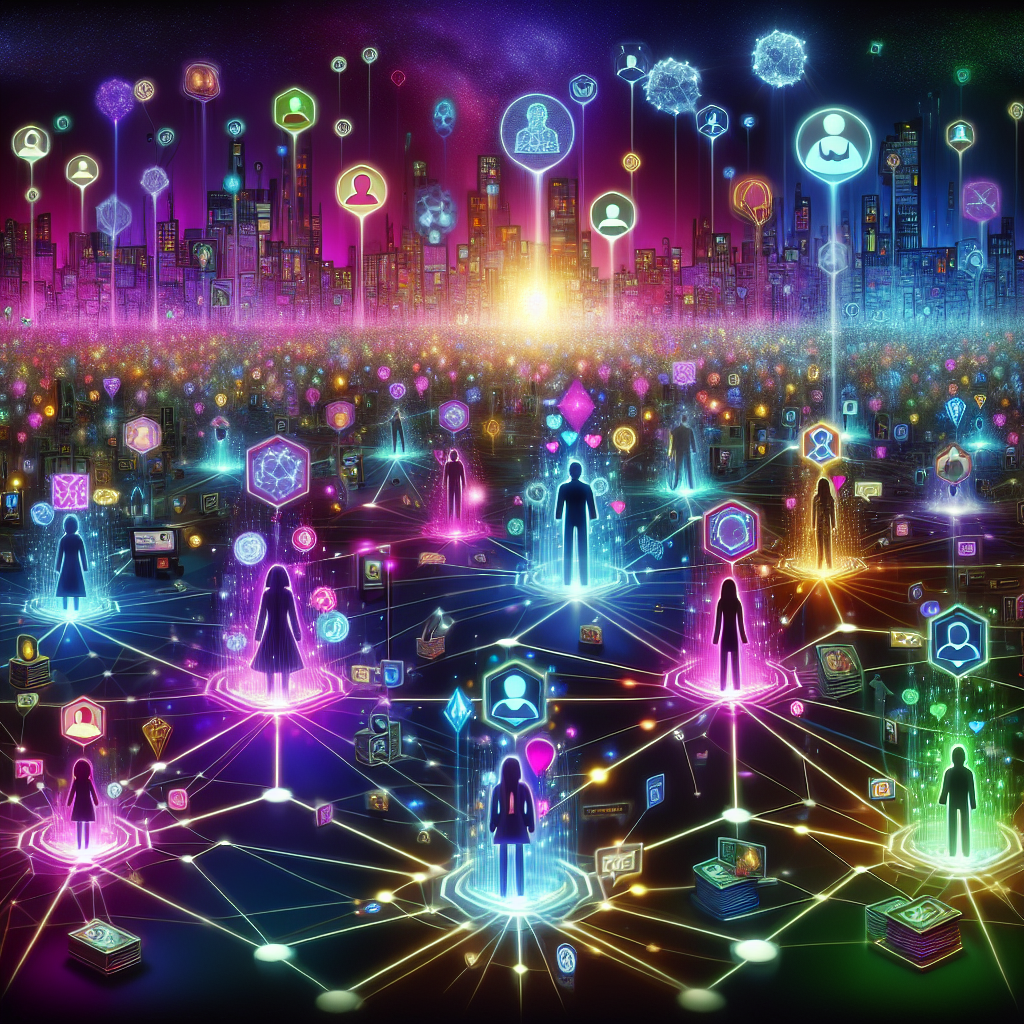
Crypto SocialFi Platforms Unleashed: How Decentralized Social Networks Are Monetizing Influence and Revolutionizing Creator Economies Right Now
The creator economy is booming, but the rules—and the spoils—are set by a handful of tech giants. As Instagram, TikTok, and YouTube rake in billions, creators often pocket mere scraps, left at the mercy of shifting algorithms and platform policies. The disconnect between audience reach and financial reward is no longer just a gripe—it’s a rallying cry.
Enter Crypto SocialFi: a new breed of decentralized social networks that promise to flip the script. These platforms use blockchain, tokens, and smart contracts to let creators own their audiences, monetize their influence directly, and escape the grind of ad-driven gatekeepers. For users, it’s a chance to finally be more than just data points in someone else’s walled garden—they can become stakeholders, curators, and even co-owners.
But is this the long-awaited revolution, or just another crypto mirage? Beneath the hype, something genuinely new is taking shape. SocialFi platforms are already changing how value flows between creators, fans, and investors. The big question: Who wins, who loses, and what happens next as Web3 collides with the social internet?
Let’s break down what’s really happening, why it matters, and how you can navigate the emerging landscape—whether you’re a builder, investor, or simply a digital native curious about the next wave.
Decoding SocialFi: Where Social Networks Meet Decentralized Finance
SocialFi—short for Social Finance—describes a category of decentralized applications (dApps) that blend social networking with financial incentives, all powered by blockchain technology. Here’s what sets SocialFi apart:
- Ownership: Users truly own their data, profiles, and often the content they create, typically via NFTs or on-chain records.
- Monetization: Likes, shares, and follows become financial assets. Creators and fans can earn tokens or revenue for their participation.
- Governance: Communities shape platform rules via DAOs (Decentralized Autonomous Organizations), voting with tokens instead of simply complaining on Twitter.
- Interoperability: Your social graph—and your value—can (in theory) move across platforms, reducing lock-in.
The roots of SocialFi reach back to the early days of crypto, but the movement gained serious momentum in the wake of the 2021 NFT boom and the backlash against Big Tech’s control. Web3 builders saw an opportunity: combine DeFi’s user empowerment with the viral stickiness of social media.
This is not just ideological posturing. Billions of dollars are flowing into SocialFi startups. According to Messari and The Block, over $800 million was invested in crypto-native social platforms and protocols in 2023 alone. The stakes are high, and the players are multiplying.
How SocialFi Works: Mechanisms Behind the Hype
Tokenizing Social Activity
The heart of SocialFi is the tokenization of social influence. Instead of relying on ad revenue or opaque creator funds, platforms can:
- Issue native tokens that reward users for posting, curating, or engaging.
- Turn social profiles, posts, or even individual “likes” into NFTs that can be bought, sold, or traded.
- Let fans invest directly in creators via “social tokens” or “creator coins,” tying financial upside to a creator’s growth.
Decentralized Moderation and Governance
SocialFi platforms often use DAOs for moderation and feature development. Token holders propose and vote on changes—from banning spam accounts to tweaking reward algorithms. This theoretically reduces censorship risk but creates new challenges (see “Risks” below).
On-Chain Identity and Portability
Because data and social graphs live on public blockchains or decentralized storage, users can move their identity and following between apps. No more starting from zero if a platform bans you or pivots business models.
Programmable Monetization
Smart contracts automate payments, splits, and revenue sharing, removing intermediaries and delays. Payment rails are global, instant, and censorship-resistant—at least in theory.
SocialFi in Action: Real-World Platforms and Data
Let’s look at how these mechanisms are playing out on major SocialFi platforms right now.
1. Farcaster
- What it is: A decentralized protocol for social networks, built on Optimism (an Ethereum Layer 2).
- Key features: Users own their handles and content as on-chain assets. Third-party client apps (like Warpcast) compete to provide the best user experience.
- Monetization: Farcaster recently introduced “Frames,” interactive posts that let creators embed apps, NFT mints, or commerce directly into social feeds. Monetization comes from NFT sales, tipping, and third-party integrations.
- Scale: As of early 2024, Farcaster had over 200,000 registered users, with thousands of daily active posters—a small but rapidly growing userbase.
2. Friend.tech
- What it is: A mobile-first platform that lets users issue “Shares” (social tokens) in themselves. Fans can buy shares to access group chats and future rewards.
- Key features: Share prices rise and fall algorithmically based on demand, creating a speculative market for social influence.
- Monetization: Both creators and the platform take a cut of each share trade (typical fee: 5% each). In its first three months, Friend.tech generated over $40 million in protocol fees, with some creators earning thousands in days.
- Risks: Volatile markets and speculation have led to price manipulation and “pump-and-dump” behavior.
3. Lens Protocol
- What it is: A composable, blockchain-native social graph and protocol built on Polygon.
- Key features: Users own profiles as NFTs. Any developer can build apps on top of the Lens graph (e.g., Lenster, Orb).
- Monetization: Creators can charge for follows, collect fees from “mirrors” (reposts), and set conditions for content access. In 2023, Lens saw over 100,000 NFT profile mints and facilitated millions of on-chain interactions.
- Ecosystem: The Lens ecosystem includes marketplaces, analytics tools, and monetization plugins, all interoperable via open standards.
4. DeSo (Decentralized Social)
- What it is: A dedicated blockchain focused on scalable, low-cost social applications.
- Key features: Users can create and trade “Creator Coins,” tip posts with tokens, and interact with a growing ecosystem of decentralized apps.
- Monetization: Top creators on DeSo have earned hundreds of thousands of dollars from coin sales and NFT drops, according to DeSo’s public stats.
These examples are just the tip of the iceberg—dozens of smaller, experimental projects (like Yup, CyberConnect, and others) are also pushing the envelope.
Who Benefits—and Who Gets Left Behind?
Winners
- Creators: Especially those with niche, loyal audiences who struggle to monetize on mainstream platforms.
- Early adopters: Users and investors who get in early often benefit from token airdrops, price appreciation, and platform influence.
- Developers: Open protocols mean anyone can build apps, growing the ecosystem and their own potential revenue.
- Communities: DAOs can empower communities to self-govern, set norms, and share in upside.
Losers (or at least, the Disadvantaged)
- Latecomers: Once tokens are distributed and networks established, late entrants may find it harder to gain traction or upside.
- Casual users: Complexity, wallet setup, and transaction fees can be daunting for mainstream audiences.
- Traditional platforms: As creators migrate, incumbent social networks risk losing talent and engagement.
- Regulators: The decentralized, cross-border nature of SocialFi complicates oversight and enforcement.
Risks, Limitations, and Trade-Offs
No model is perfect. SocialFi’s promise comes with real-world caveats.
Technical Risks
- Scalability: Blockchains are still slow and expensive compared to centralized databases, especially for high-velocity social feeds.
- Security: Smart contract bugs or protocol exploits can wipe out user funds or data.
Economic Risks
- Speculation and Ponzi Dynamics: Social tokens can become the latest casino chips, with little underlying value beyond hype.
- Unsustainable Incentives: Early rewards may not last; token emissions often outstrip real demand, leading to dilution and collapse.
User Experience Risks
- Onboarding Friction: Requiring crypto wallets, seed phrases, or gas fees creates barriers for non-crypto-native users.
- Spam and Sybil Attacks: Open participation makes platforms vulnerable to bots and fake accounts, undermining trust and value.
Regulatory and Ethical Risks
- Securities Laws: Many social tokens and creator coins may be deemed unregistered securities, putting creators and platforms at risk.
- Privacy: On-chain data is public forever—bad for pseudonymous creators or sensitive communities.
- Content Moderation: DAOs can be slow or ineffective at addressing abuse, harassment, or illegal content.
Practical Advice: Navigating SocialFi as a User, Creator, Builder, or Investor
Whether you want to participate in, build on, or invest in SocialFi, here’s how to get started—and what to watch out for.
For Users and Creators
- Experiment on testnets or with small amounts first. Don’t risk funds or data you can’t afford to lose.
- Prioritize platforms with active communities and transparent teams. Read Discords, check GitHub activity, and look for regular updates.
- Understand tokenomics. Not all tokens are created equal—study supply, utility, and emission schedules.
- Protect your privacy. Use pseudonyms if needed, and don’t overshare personal info on-chain.
- Diversify your presence. Don’t put all your eggs in one protocol—Web3 is still the Wild West.
For Builders
- Focus on onboarding. Simplified wallet solutions, fiat onramps, and user education are critical.
- Build for interoperability. Use open standards (like Lens or Farcaster’s protocols) to future-proof your app.
- Prioritize security audits and bug bounties. Nothing kills trust like a hack or exploit.
- Incentivize real engagement, not just speculation. Design tokenomics to reward genuine participation, not just hype.
For Investors
- Do deep due diligence. Study protocol docs, check for VC involvement, and analyze real user metrics—not just “total value locked.”
- Be skeptical of unsustainable yields. If it sounds too good to be true, it probably is.
- Monitor regulatory developments. Laws around social tokens are evolving fast—country risk is real.
For Policymakers
- Engage early with builders. Understand how protocols work before issuing blanket bans or regulations.
- Balance innovation and protection. Overly aggressive enforcement can stifle genuine progress.
- Push for transparency and consumer education. Empower users to make informed decisions.
What’s Next? The Road Ahead for SocialFi
The SocialFi revolution is still in its early innings, but the direction of travel is clear. In the next 12–24 months, expect a wave of experimentation as platforms fight for relevance, regulatory clarity, and mainstream adoption. Some will flame out. Others could become the next household names in digital culture.
Key trends to watch:
- Convergence with AI: SocialFi platforms are already experimenting with AI-powered content, moderation, and curation—leading to new monetization models and risks.
- Better User Experience: Look for walletless sign-ups, fiat payments, and seamless onboarding as projects chase non-crypto natives.
- Regulatory Showdowns: The fate of social tokens and DAOs will hinge on legal battles playing out in multiple jurisdictions.
- Creator Empowerment: The most promising platforms will be those that genuinely align incentives between creators and communities—not just speculators.
SocialFi won’t kill Facebook or TikTok overnight. But by giving creators real ownership, letting users share in upside, and opening up innovation to anyone with an internet connection, it’s already shaking up the status quo. The next generation of internet culture will be built—not just broadcast—by its communities.
For creators, fans, and investors willing to navigate the pitfalls, the opportunity is real—and the story is only just beginning.
What to Do Next
- Compare 2-3 relevant tools before choosing one.
- Validate fees, custody model, and jurisdiction support.
- Start small and track performance weekly.
Recommended Next Reads
- Best Crypto Social Media Platforms:
best-crypto-social-media-platforms - How Blockchain Empowers Content Creators:
blockchain-content-creators - Guide to Monetizing Influence with Web3:
monetizing-influence-web3-guide
Sources and Further Reading
FAQ
What are Crypto SocialFi platforms?
Crypto SocialFi platforms are decentralized social networks that leverage blockchain technology, tokens, and smart contracts to enable creators to directly monetize their influence and audiences, bypassing traditional ad-driven social media gatekeepers.
How do creators make money on decentralized SocialFi networks?
Creators on SocialFi platforms earn money through various means such as tokenized content, direct fan support, NFT sales, and community-driven rewards, allowing them to capture more value from their influence and content.
What are the benefits of SocialFi platforms for users?
Users benefit from SocialFi platforms by gaining ownership of their data, participating in platform governance, earning rewards for engagement, and supporting their favorite creators directly without intermediaries.
Stay Updated
Subscribe to your site newsletter for weekly market breakdowns, tool comparisons, and risk alerts.
Leave a Reply