
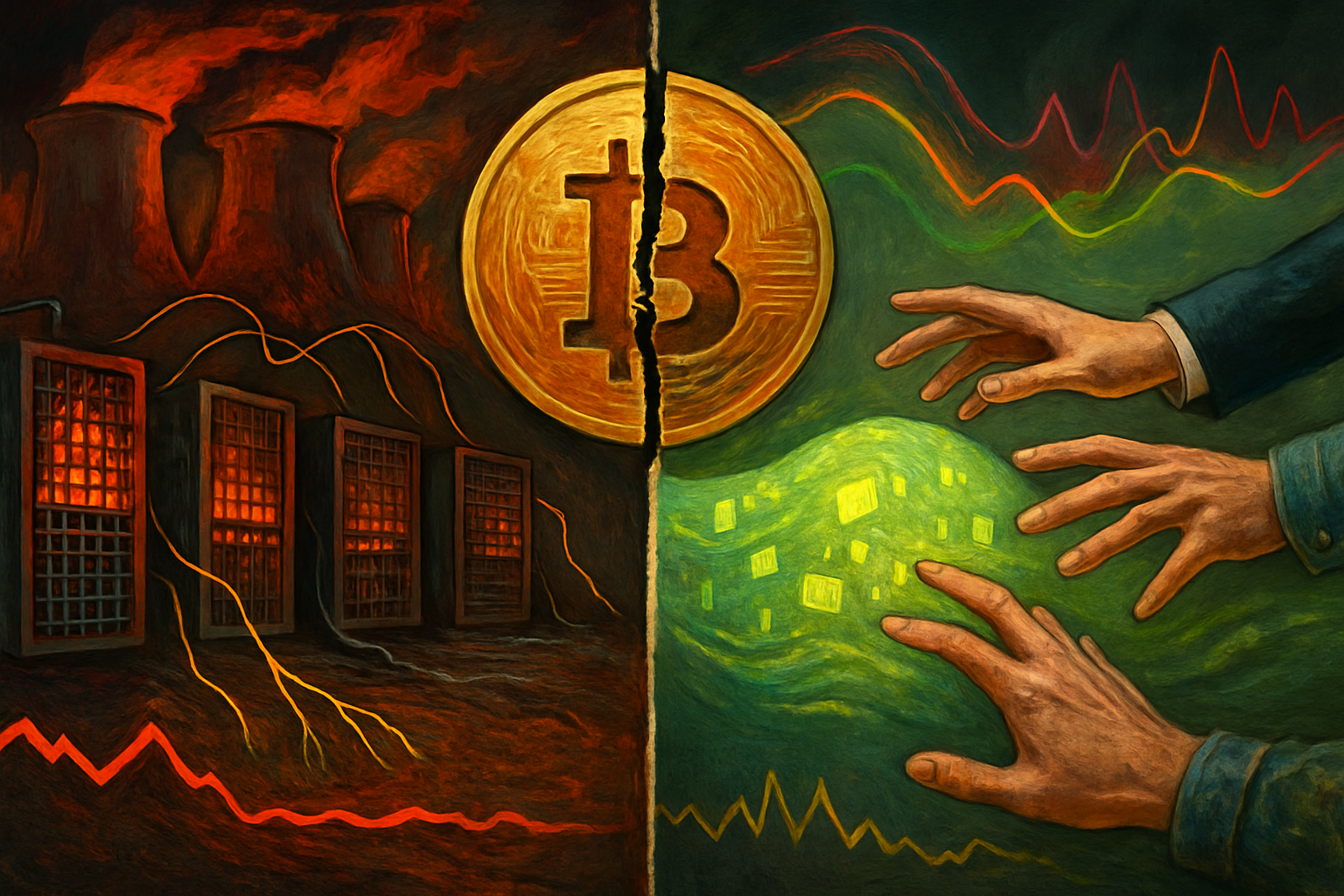
The Bitcoin Halving’s Supply Shock Aftermath: How Post-Halving Hash Rate Migration, Miner Capitulation Cascades, and Fee Market Volatility Are Reshaping On-Chain Settlement Economics
The Bitcoin halving is a ritual—once every four years, the network slashes its new coin issuance in half, squeezing miners and tightening supply. In 2024, as the latest halving rippled across the ecosystem, it set off a chain reaction that is still reverberating through the heart of Bitcoin’s settlement engine. This is not just a technical event for miners and protocol wonks: it’s a seismic shift that is redefining how individuals and institutions use, pay for, and profit from Bitcoin’s block space.
For the first time, the post-halving environment has delivered a triple whammy: a brutal miner shakeout, a scramble for hash rate advantage, and wild swings in transaction fees. These shifts are colliding to reshape the economics of transacting on-chain—determining who gets reliable settlement, at what cost, and what risks they sign up for.
If you’re trading, building, or allocating capital in the Bitcoin ecosystem, the old playbook won’t cut it. The dynamics of block rewards, transaction fees, and mining security are now in flux. Understanding the new landscape isn’t just academic—it’s table stakes for avoiding nasty surprises and seizing emerging opportunities.
Let’s zoom out to understand how we got here—and why this halving, more than any before, is creating a new settlement game for users and institutions.
Bitcoin Halvings: A Quick Primer
Bitcoin halving is a pre-programmed event that halves the number of new bitcoins miners receive for adding a block to the blockchain, occurring roughly every 210,000 blocks (about every four years). The first block in 2009 paid 50 BTC; by April 2024, the reward dropped to 3.125 BTC. This mechanism enforces Bitcoin’s fixed supply, making it a digitally scarce asset akin to gold.
Halvings are designed to slow the rate at which new bitcoins enter circulation, driving scarcity and, historically, triggering bull markets. But the supply shock isn’t just about price. It radically alters miners’ incentives, the security provided by hash rate, and the economics of on-chain transactions—especially as block rewards dwindle and transaction fees become a larger slice of miner income.
The Triple Aftershock: What’s Different This Time?
1. Supply Shock Meets Demand Spike
The 2024 halving collided with an unprecedented surge in on-chain activity. Bitcoin ordinals (NFT-like inscriptions), BRC-20 tokens, and Layer 2 protocols like Lightning and Runes have all contributed to demand for block space. Meanwhile, institutional adoption—including ETFs and custody solutions—has boosted settlement volume and user sophistication.
Unlike earlier cycles, the demand for block space is not just from speculative traders, but from a mix of financial institutions, NFT projects, and cross-chain applications. This has made fee volatility a central concern.
2. Miner Capitulation Cascades
When block rewards are halved, only the most efficient miners survive. Higher-cost operations—especially those running on pricey electricity or outdated hardware—face a sudden income cliff. As they drop out, hash rate can temporarily fall, reducing network security and forcing remaining miners to migrate to cheaper jurisdictions or consolidate.
This time, the capitulation has been fierce. Within weeks of the April 2024 halving, estimates suggest up to 15–20% of marginal miners went offline, especially in regions with high power costs. The resulting hash rate dip—though partially recovered—created short-term swings in block times, fee dynamics, and settlement reliability.
3. Fee Market Volatility
With block rewards shrinking, transaction fees must pick up the slack to keep miners profitable and ensure continued network security. The post-halving environment saw a fee market rollercoaster: at times, average fees spiked above $60 per transaction during peak blocks, while at other times, they dropped below $5 as demand waned.
For users, this means uncertainty—not only about when a transaction will confirm, but also about what it will cost. For miners, it means unpredictable revenue. For institutions settling large trades or moving funds, it raises operational and risk management challenges.
How Hash Rate Migration and Miner Shakeouts Change the Game
Hash Rate: The Network’s Security Backbone
Hash rate is the collective computing power securing Bitcoin. When it rises, attacks become costlier and block times stabilize. When it drops, the network becomes more vulnerable to reorgs and double-spends, and block intervals can temporarily lengthen.
After the 2024 halving, the hash rate saw a brief but sharp contraction—a classic sign of “miner capitulation.” Less efficient miners, especially those in North America and parts of Europe, shut down rigs en masse as their operations turned unprofitable overnight. The hash rate fell from a 7-day average high of around 650 EH/s pre-halving to lows near 550 EH/s before rebounding as survivors consolidated.
Migration Patterns: Follow the Cheap Power
The miners who remain profitable often migrate to regions with lower electricity costs, favorable regulation, or access to surplus energy. In 2024, there’s been renewed miner movement to places like Paraguay, Kazakhstan, and parts of Africa, alongside continuing consolidation in Texas and Central Asia.
This migration isn’t just about cost-cutting. It affects block time variance, network latency, and the geopolitical decentralization of Bitcoin’s security infrastructure. For users, swings in hash rate can mean more variable settlement times, especially if network difficulty lags behind rapid hash rate changes.
Case Example: North American Miner Exodus
Several public mining companies in North America reported Q2 2024 losses and drastic reductions in operational hash rate. For example, a well-known Canadian miner shut down nearly 40% of its machines post-halving, citing unsustainable electricity contracts. In Texas, two major mining farms announced layoffs and asset sales. This exodus has forced some miners to merge or pivot to hosting services for third parties, while others are exploring renewable energy deals to stay competitive.
Fee Market Whiplash: Winners, Losers, and New Behaviors
How Transaction Fees Are Set
Bitcoin’s fee market is an auction. Users attach fees to their transactions; miners select the most lucrative bundle of transactions to maximize income. When block space demand exceeds supply, fees spike—sometimes dramatically.
Post-Halving Fee Spikes and Their Causes
Following the halving, congestion from ordinals and BRC-20 minting drove average transaction fees to eye-watering highs. At one point in May 2024, the median fee briefly passed $60, pricing out smaller users and forcing exchanges to batch customer withdrawals or pass on higher costs.
This volatility was compounded by hash rate swings (fewer miners meant slower block times, which meant fewer confirmations per hour), and by speculative bursts in new token launches. The fee market became not just expensive, but unpredictable.
Who Benefits, Who Suffers
- Winners: Large traders and institutions who can afford to pay for priority settlement; miners with efficient operations and access to cheap power; Layer 2 protocol operators who route users away from L1 congestion.
- Losers: Small users, wallets with limited fee customization, low-value applications, and custodians who face higher operational costs.
Real-World Data: Fee Fluctuations
- April 2024: Average fee: $7–$12
- May 2024 (peak): Average fee: $30–$70; Median fee: $40–$60
- June 2024: Average fee: $5–$15, with wide hourly swings
A single NFT minting event in late May consumed over 30% of block space for several hours, pushing fees to levels unseen since the 2021 bull run. Meanwhile, some exchanges reported delays of up to 4 hours for standard withdrawals, unless users paid for expedited service.
The New Settlement Economics: What’s Changed for Users and Institutions?
For Individual Users
- Higher and More Unpredictable Fees: Sending a simple transaction can cost anywhere from $2 to $70 depending on the day and time.
- Longer Wait Times: When fees spike, low-fee transactions can get stuck for hours or even days.
- Increased Use of Layer 2s: Lightning and other scaling solutions see more activity as users try to bypass L1 fees.
For Institutions
- Costlier Settlement: Large OTC trades, treasury movements, or customer withdrawals now need to account for higher, more variable fees.
- Operational Risk: Fee spikes can disrupt automated processes and SLAs; some institutions have had to suspend withdrawals or delay settlements during peak congestion.
- Demand for Advanced Fee Management: Enterprises are investing in smarter fee estimation tools, batch processing, and even custom mining pools to control costs.
For Miners
- Revenue Mix Shift: With block rewards halved, fees now make up a larger share—sometimes over 30–40% during congestion.
- Profitability Squeeze: Only the most efficient miners can weather the new normal; others are forced to shut down, sell assets, or relocate.
Risks, Limitations, and Trade-Offs
Technical and Economic Risks
- Security Budget Shortfall: If fees don’t consistently make up for lower block rewards, the network’s security could degrade, especially during prolonged low-fee periods.
- Centralization Pressure: Only large, well-capitalized miners can survive, raising concerns about mining concentration and potential vulnerability to regulatory or collusive threats.
- Usability Decline: High fees and slow settlements could push users to custodial services or alternative chains, undermining Bitcoin’s core value proposition as a decentralized, permissionless settlement layer.
Regulatory and Policy Risks
- Jurisdictional Arbitrage: As miners chase cheap power, some may end up in regions with lax environmental or financial oversight, risking regulatory backlash or reputational harm.
- Compliance Complexity: Institutions transacting on-chain must now monitor fee volatility and transaction delays, complicating reporting and risk management.
User Risks
- Transaction Stuckness: Low-fee transactions can become stuck for days, requiring manual intervention or use of fee-bumping tools.
- Fee Estimation Errors: Poor wallet software or inexperience can lead to overpaying (wasting money) or underpaying (delaying settlement).
Practical Steps: Navigating the Post-Halving Settlement Jungle
For Individual Users
- Use Dynamic Fee Estimation: Always check current fee rates before sending. Use wallets that allow manual fee adjustment and support Replace-By-Fee (RBF).
- Batch Transactions: If possible, bundle payments or withdrawals to reduce per-transaction cost.
- Explore Layer 2s: Consider Lightning Network or sidechains for smaller, frequent payments.
- Monitor Network Congestion: Time your transactions during off-peak hours for lower fees.
For Traders and Institutions
- Integrate Fee Management Tools: Invest in APIs or services that track real-time fee rates and recommend optimal timing.
- Automate Batch Processing: Batch customer withdrawals and internal settlements to maximize block space efficiency.
- Diversify Settlement Strategies: Use a mix of on-chain and off-chain options; consider holding balances on Layer 2s.
- Review Mining Partnerships: If you operate mining infrastructure, review energy contracts, hardware efficiency, and potential relocation options.
For Builders and Wallet Developers
- Prioritize Fee Customization: Give users granular control over fee selection, RBF, and CPFP (Child Pays For Parent) features.
- Educate Users: Offer clear warnings when fees are unusually high or when transactions are likely to be delayed.
- Support Layer 2 Integration: Make it easy for users to move funds between L1 and L2.
For Policymakers and Regulators
- Encourage Transparency: Support disclosure of mining locations, energy sources, and operational practices to reduce systemic risks.
- Monitor Concentration: Track the geographic and industrial concentration of mining to anticipate potential chokepoints.
Looking Ahead: The Next 12–24 Months
As Bitcoin’s block rewards shrink and fee market volatility becomes the new normal, the economics of on-chain settlement are in flux. The post-2024 halving cycle is a proving ground for whether transaction fees can reliably support the network’s security and usability.
Expect continued miner consolidation, hash rate migration, and an arms race for operational efficiency. Fee volatility will remain high, especially during speculative surges, NFT mints, or token launches. Users and institutions who adapt—by mastering fee management, embracing batching and Layer 2s, and monitoring network shifts—will be best positioned to navigate the new landscape.
For Bitcoin, the halving isn’t just a countdown event—it’s the start of a new economic era. The next two years will test whether the network’s architecture, community, and economic incentives can keep pace with growing demand, security needs, and global adoption. Those who understand these shifts—rather than just riding the hype—will shape the future of digital settlement.
What to Do Next
- Save this guide and revisit it during your next allocation decision.
- Cross-check key metrics with public dashboards.
- Share with your team and define one execution step this week.
Recommended Next Reads
- Crypto security basics:
/category/cybersecurity/ - DeFi risk management:
/category/defi/ - Blockchain technology explainers:
/category/blockchain-technology/
Sources and Further Reading
FAQ
What is the main takeaway?
Focus on practical risk, utility, and execution rather than hype.
Who should care most?
Builders, active users, and investors exposed to the discussed sector.
What should readers do next?
Use the checklist, compare tools, and validate claims with primary sources.
Stay Updated
Subscribe to your site newsletter for weekly market breakdowns, tool comparisons, and risk alerts.
Leave a Reply